

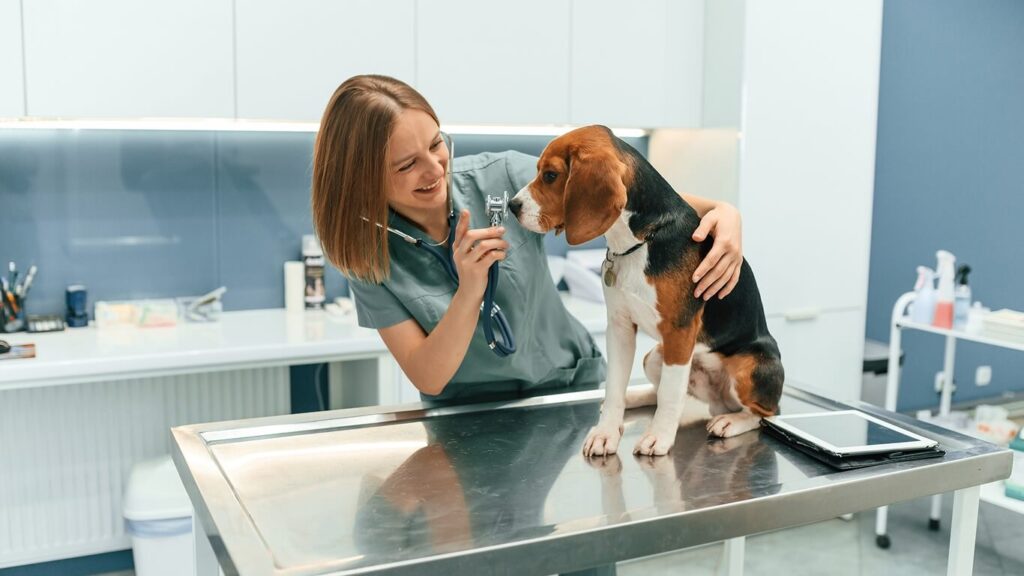
Veterinary visits can be overwhelming for pets, triggering anxiety through unfamiliar smells, sounds, and handling. Creating a calmer experience benefits both your pet’s emotional wellbeing and allows for more accurate examinations, as stressed animals may have elevated vital signs or become difficult to assess.Start preparing your pet well in advance. For dogs, practice car rides to positive destinations like parks to break the association between car trips and vet visits
Keep your own emotions calm, as pets pick up on human stress remarkably well. Avoid overly sympathetic tones or excessive reassurance, which can actually reinforce fearful behavior. Instead, maintain a confident, matter-of-fact demeanor.Bring high-value treats your pet doesn’t normally receive, and ask if you can feed them throughout the visit to create positive associations. A favorite toy or blanket carrying familiar scents can provide comfort.
A stressed pet isn’t just uncomfortable; they’re harder to examine accurately, as fear can elevate heart rate, blood pressure, and mask symptoms.Your veterinarian should be your partner in reducing anxiety — don’t hesitate to discuss fear-free handling options or anti-anxiety medications.
esensitization training makes a significant difference over time. Regularly handle your pet’s paws, ears, and mouth at home while rewarding calm behavior. This makes actual examinations less jarring. Consider scheduling non-appointment visits where you simply stop by the clinic for treats and friendly interactions with staff.For severely anxious pets, discuss anti-anxiety medications with your veterinarian.
Create Stress-Free Vet Experience for Anxious
Designing for simplicity and clarity means creating experiences that feel effortless and intuitive. Every element — from layout to navigation — should guide users naturally, eliminating confusion and complexity. When design communicates clearly, users engage with confidence, satisfaction, and trust, resulting in stronger digital experiences.
- Early socialization and positive conditioning are the most effective long-term solutions for veterinary anxiety
- Early socialization and positive conditioning are the most effective long-term solutions for veterinary anxiety
- High-value treats during the visit create positive associations and can distract from stressful procedures
- Fear-free certified practices use scientifically-backed techniques to minimize stress and trauma
- Pre-visit medications prescribed by your vet can significantly reduce anxiety for severely stressed pets
Pre-visit pharmaceuticals can make the difference between a traumatic experience and a manageable one. Some pets benefit from supplements like calming chews or prescription medications given an hour before appointments.The veterinarian may use calming pheromone sprays, gentle handling techniques, or even “happy visits” where pets simply come in for treats and affection without any procedures.